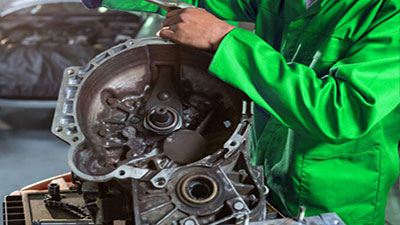
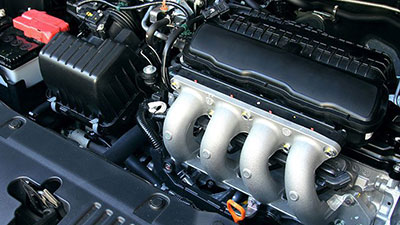
By most accounts, the average new car has thousands of parts and more computer power than it took to launch the first Apollo mission to the moon. This makes the automobile an extremely sophisticated machine. It’s also a machine most drivers tend to take for granted. We put the petrol in, we turn on the ignition and everything runs at it should. Our cars are a lot like our other major appliances; we don’t really know how they work until they break down and require maintenance.

The reality is that most cars are designed to run efficiently for several years and several thousands of kilometres, but we have a responsibility to keep those thousands of parts in proper working order. In other words, you can’t just cross your fingers and hope the car will start every time, and that every system will function properly. There are ways we can maximize our vehicle’s efficiency and it really doesn’t take a lot of effort. In fact, the effort expended to keep your car running will pay off in the long run if you can avoid extended trips to the mechanic.

  • Embrace your service schedule:
    Do you know your car’s service schedule? No, you won’t have to swap out 10,000 parts, but in your driver’s manual you should have a complete service schedule that should be followed. Things like flushing the transmission fluid, changing the sparkplugs, changing your oil and replacing belts are all included. Following that schedule will stretch out the life of your car. Your trusty mechanic is well versed in these maintenance procedures, but you’ve got to dedicate the time to get the car to the garage.

  • Check your levels often:
    The levels in this case would be fluids and air pressure. Just because you’re changing your oil according to schedule doesn’t mean there won’t be an occasional problem. Your motor oil is the most important fluid the car needs. Think of it like your own body going without water. When that happens, things break down. Anyone can check the oil. Pop open the hood and pull out your oil dipstick. Don’t know where your dipstick is? Check your manual or get your mechanic to show you. There are other fluid indicators like power steering fluid and radiator levels which you should check along with the oil. Same for the tyre pressure. This fluid and air pressure check should be done once a week.

  • Put your car on a diet:
    You know exactly when you’ve added a few extra kilograms. Usually, it’s right after the holiday binge. What happens? The pants are tighter and it’s harder to climb those stairs. What do you do? Cut back on the sweets and hit the gym. Your car is the same. If it’s carrying around extra kilograms you’re going to force the engine to work harder. This doesn’t mean you can’t load up and haul things. Just don’t keep them in the car. Unloading extra weight will reduce engine strain and help you to keep rolling along. Anything you don’t need to haul around in the boot should be removed, and every kilograms helps.

  • Give a little listen:
    One of the selling features on a car is the sound system. We’ve got an abundance of choices for music and talk. However, you might want to drive in silence every so often just to make sure there aren’t any funny noises that need to be addressed. Turn off the radio and go for a couple of kilometres listening to the sounds your car makes. That repetitive clicking noise could be a nail in your tyre. The grinding when you come to a stop could indicate it’s time for new brakes. Given the chance, your car will tell you a lot.

  • Drive carefully and gently:
    When you do drive, drive gently. Don’t pound on the brakes or rev the engine. That puts a strain on the system and increases your fuel intake at the same time.

This might all seem like a no-brainer, but when we take things for granted we forget about the simplest measures to maintain quality. Be good to your car, and it will be good to you.